US-31, Reynolds Road to Sullivan Road Reconstruction, Grand Traverse & Benzie Cos., Michigan
CLIENT: Michigan Department of Transportation-North
US-31 connects residents, schools, businesses, and major destinations throughout the Interlochen area. Aging pavement, congestion, and safety concerns created a need to rebuild the corridor and improve travel for motorists, pedestrians, and other nonmotorized users.
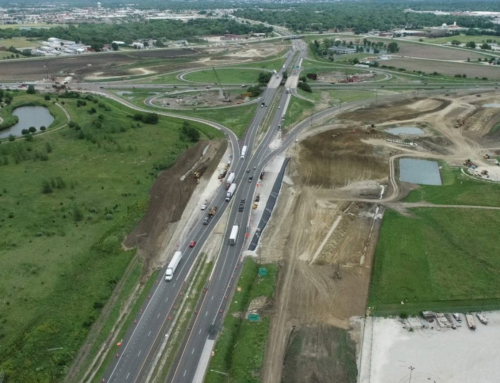
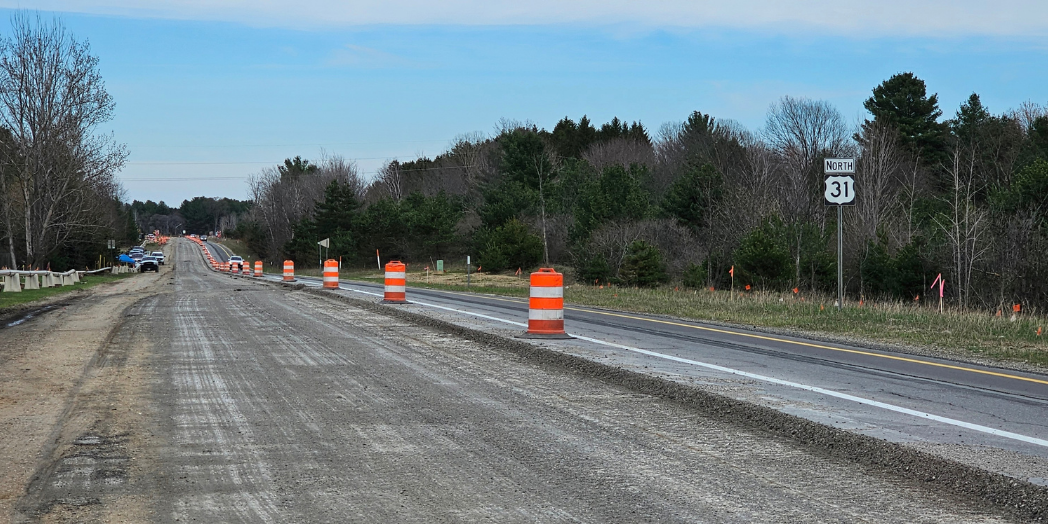
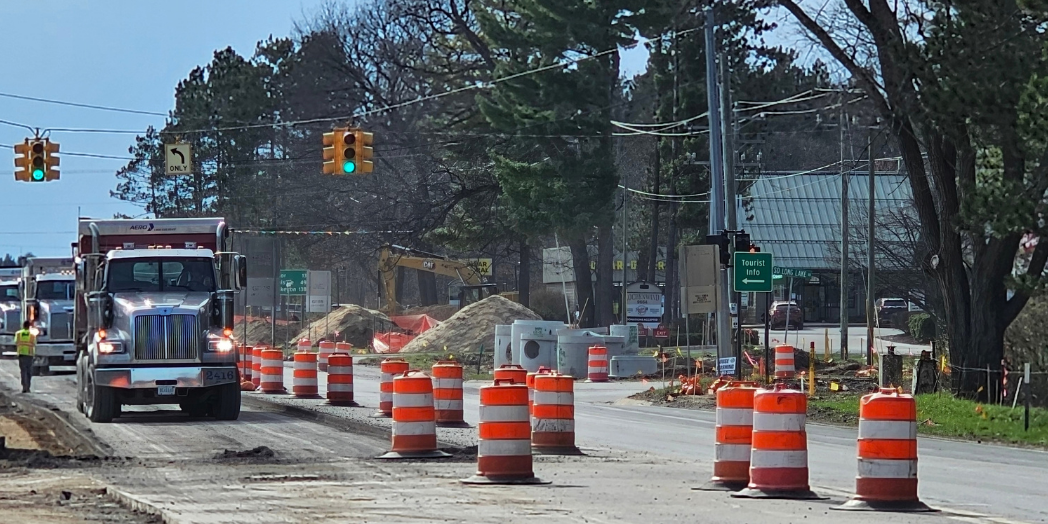
Clark Dietz served as lead engineer for MDOT’s $32.5 million reconstruction and widening of 7.8 miles of US-31 from Sullivan Road to Reynolds Road. The design combines roadway, intersection, drainage, and pedestrian improvements to address safety and traffic operations while strengthening connections along this regional corridor.
Designing for Safer, More Accessible Travel
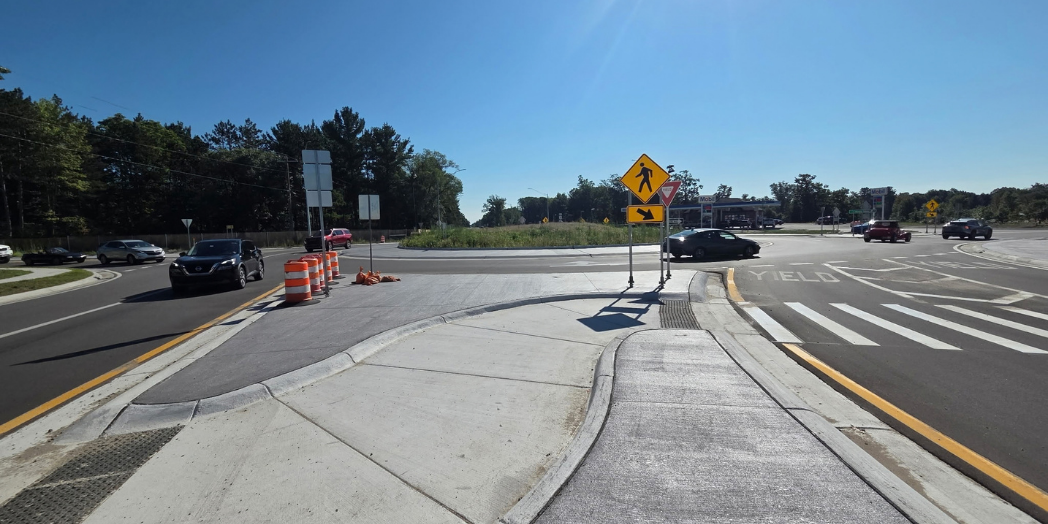
Designed improvements include a continuous center left-turn lane, wider paved shoulders with rumble strips, approximately 0.75 miles of new sidewalk, and ADA-compliant ramps and crossings. Together, these features provide dedicated space for turning vehicles, support roadway departure prevention, and improve pedestrian accessibility.
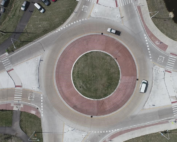
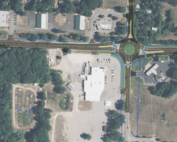
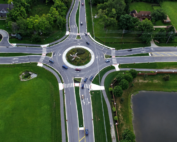
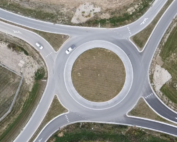
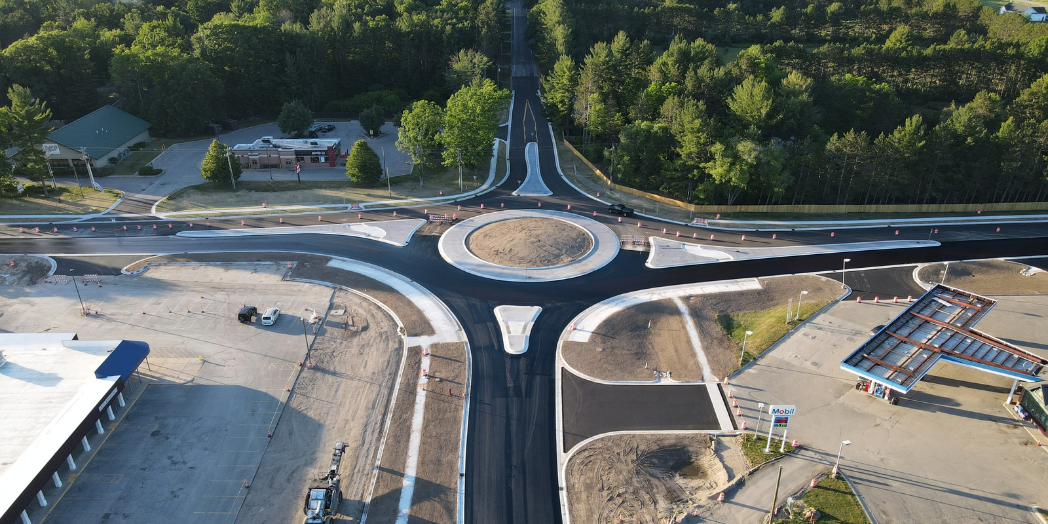
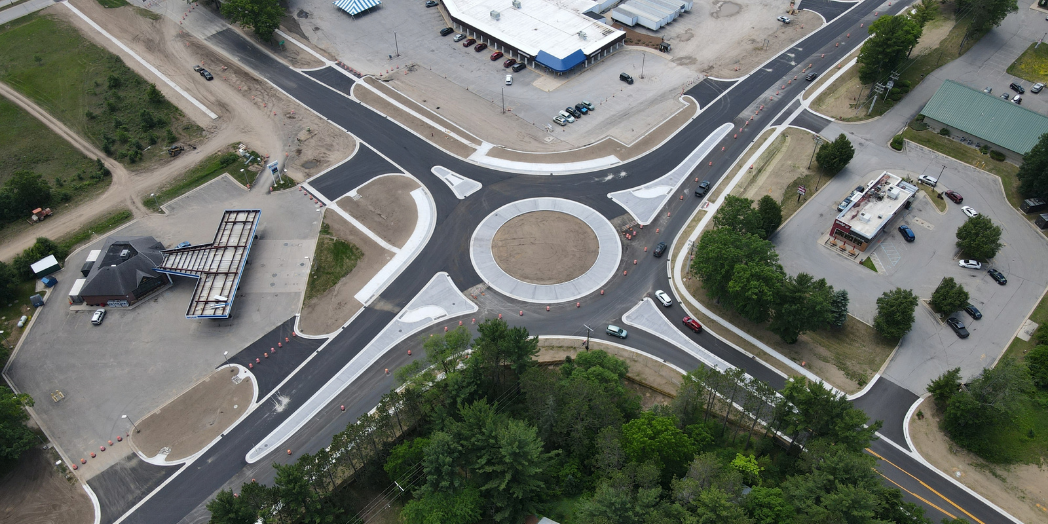
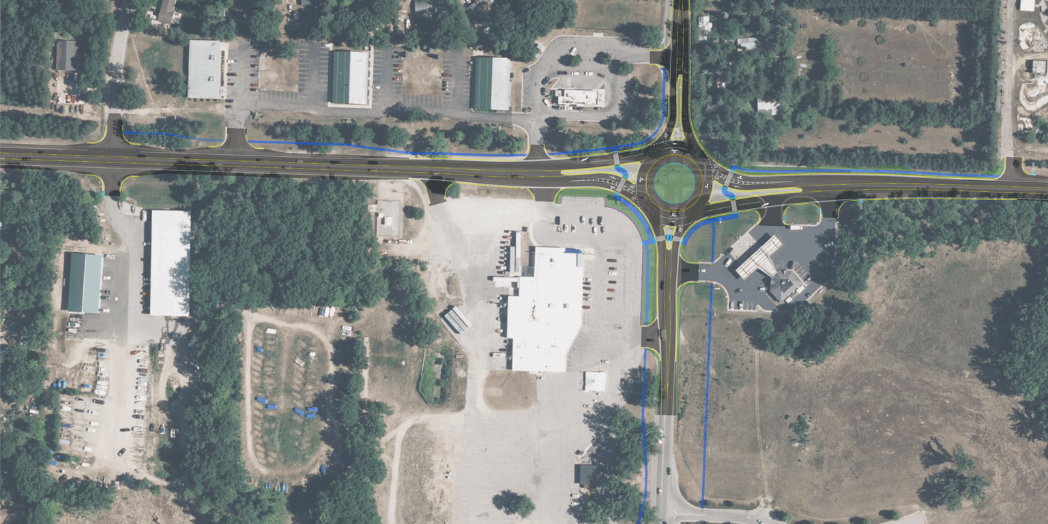
A key component is a new two-lane roundabout at South Long Lake Road/J. Maddy Parkway. Selected through a safety-driven alternatives analysis, the roundabout is designed to reduce crash frequency and severity while improving traffic operations. Its geometry accommodates passenger vehicles, commercial trucks, public transportation, and emergency vehicles, with pedestrian facilities, lighting, signing, and pavement markings integrated into the design.
Coordinating a Complex Corridor
Clark Dietz led roadway, traffic, and drainage design; safety, capacity, and geometric studies; maintenance-of-traffic planning; and work zone safety and mobility analysis. Services also included signal design, roadway lighting, signing, and pavement markings.
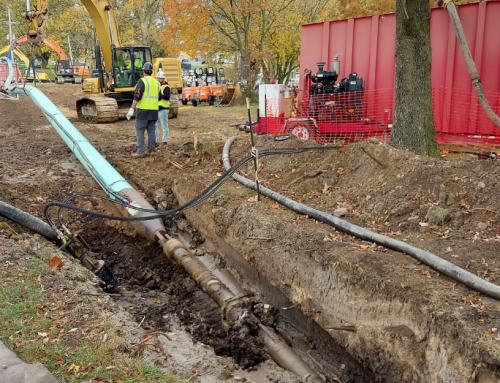
Multidisciplinary coordination addressed utility conflicts, right-of-way impacts, poor soils, and environmental constraints. The team worked with MDOT, local agencies, utility providers, emergency services, businesses, and residents to balance construction needs with access and mobility throughout the corridor. Preparatory work in 2025 included detour route improvements and excavation of poor soils before full reconstruction began in 2026.
Helping the Community Understand the Design
Public engagement was integral to project development. Clark Dietz supported the online project page, developed infographics and a GIS StoryMap, and prepared accessible materials explaining alternatives, design decisions, and anticipated safety benefits.
Public meetings, direct outreach, and one-on-one coordination gave community members opportunities to ask questions and provide input. These efforts helped the team address concerns about traffic flow, emergency access, property impacts, and detours as the design progressed.
With construction underway, the project advances a coordinated investment in safer intersections, improved roadway conditions, and more accessible connections for the communities and travelers who depend on US-31.
For more information, read our project feature or milestone update.