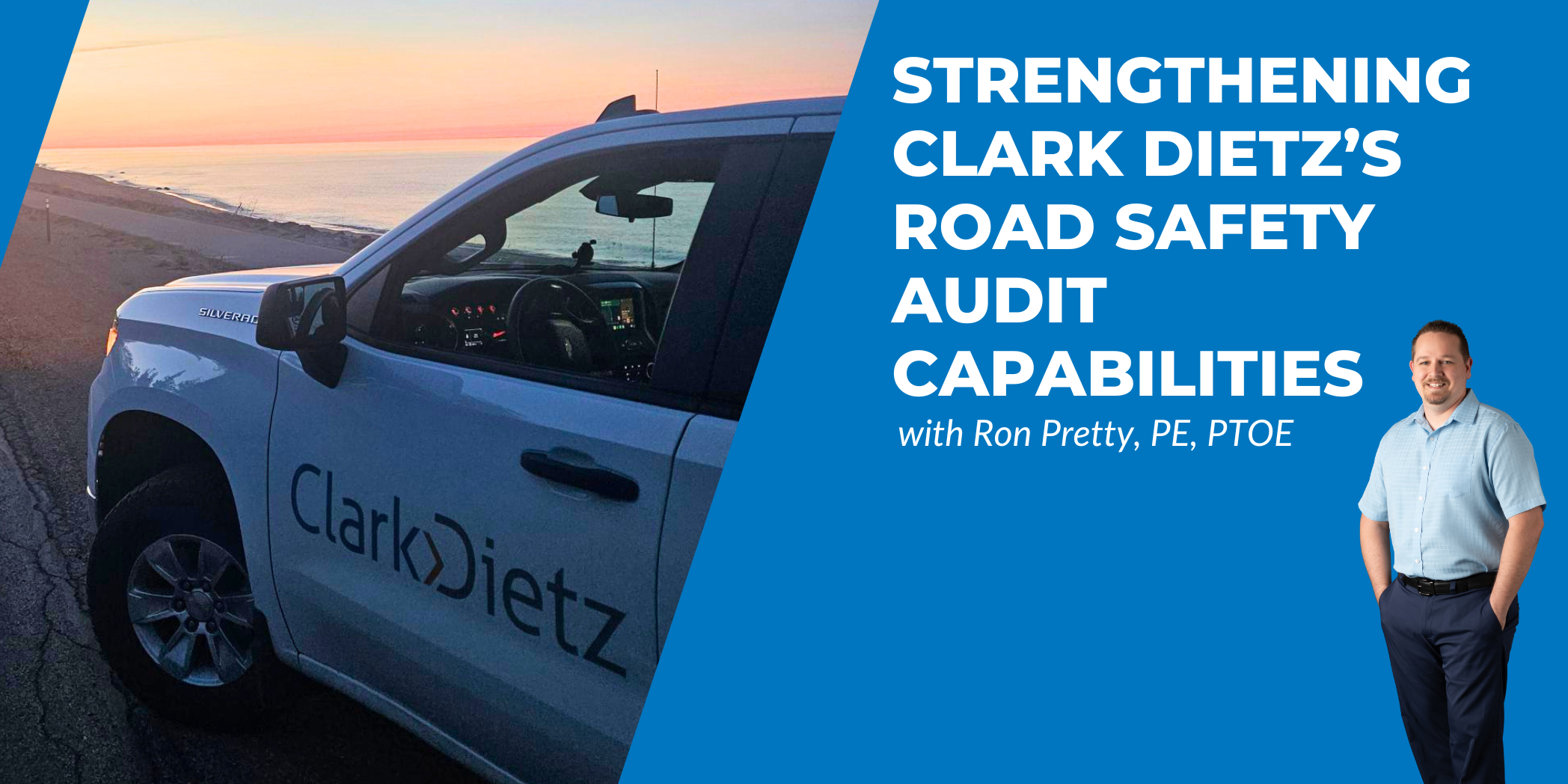
Ron Pretty, PE, PTOE, Strengthens Clark Dietz’s Road Safety Audit Capabilities
Roadway safety is rarely about a single factor. A crash pattern may point to one concern, while a field review reveals another. Traffic operations, roadway geometry, visibility, signing, pavement markings, pedestrian and bicycle activity, surrounding land use, and even the way a corridor functions differently during the day and at night can all influence how safely people move through a transportation system.
That broader perspective is at the heart of a Road Safety Audit (RSA).
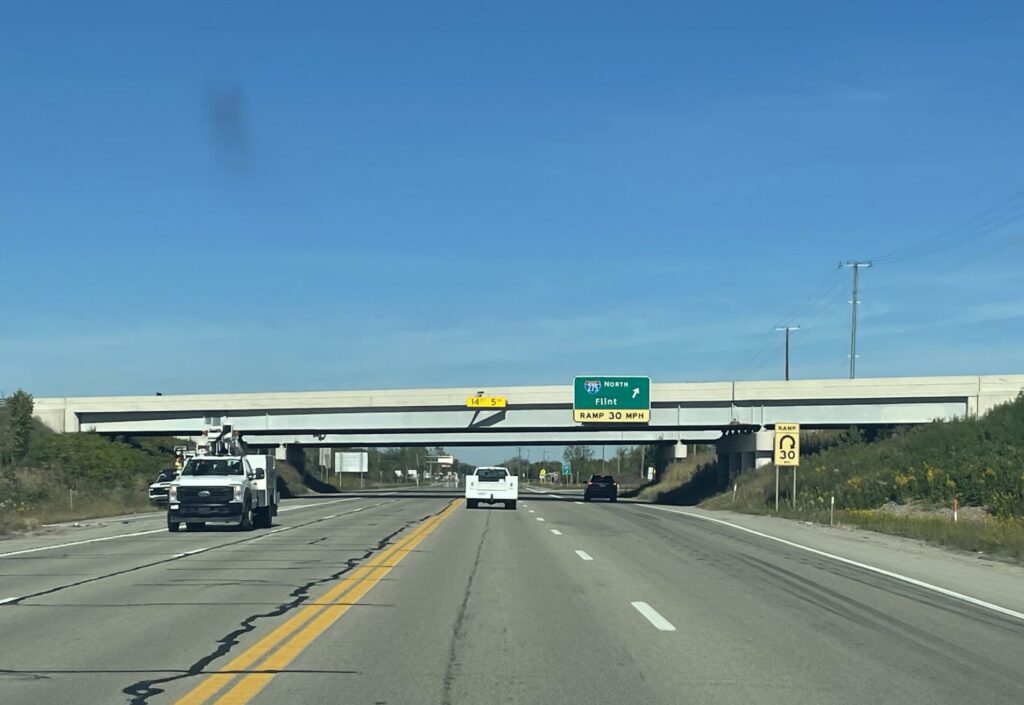
Michigan US-24 Road Safety Audit project.
For years, Clark Dietz traffic and safety professionals have supported and have been a part of Road Safety Audits and safety studies, helping transportation agencies take a closer look at existing and proposed roadways and identify opportunities to improve safety. Our experience includes freeways, urban and rural corridors, intersections, and areas surrounding schools, with teams evaluating conditions for drivers, pedestrians, bicyclists, and other roadway users.
That capability continues to grow through professionals like Ron Pretty, PE, PTOE, Traffic Team Leader for Michigan East, who recently completed the Institute of Transportation Engineers (ITE) Road Safety Audit Fundamentals Training Course, joining the team of qualified Road Safety Audit professionals.
Building on a Career Focused on Traffic Operations and Safety
For Ron, the training expands an area that has become a defining part of his career: Traffic Operations and Safety.
“After completing this course, I expanded my perspective on how to approach a Road Safety Audit or any safety analysis. We as engineers often rely on data, but data alone does not always tell the full story. Effective safety analysis requires thinking beyond the crash data and identifying proactive safety improvements rather than waiting to react to crashes. I believe engineers have a responsibility to help create safer transportation systems for the communities they serve, and I will carry that commitment throughout my career,” – Ron Pretty, PE, PTOE.
Ron has extensive experience conducting safety studies for MDOT and local agencies. His work includes crash analysis, 3R/4R safety reviews, corridor safety studies, safety analysis for alternative improvements, predictive safety, TMP crash mitigations for construction, and Road Safety Audits.
Click here to learn more about Clark Dietz’s transportation and traffic services.
Throughout his career, Ron has supported and have participated in Road Safety Audits and other safety projects across Michigan, bringing together traffic operations and safety analysis to better understand how roadways are functioning and where opportunities for improvement may exist. His RSA experience has included risk assessments, daytime and nighttime field reviews, identification of existing safety features and potential concerns, development of safety improvement recommendations, and evaluation of potential reductions in crash frequency and severity.
His completion of ITE’s Road Safety Audit Fundamentals Training Course adds another layer to that experience and reinforces the multidisciplinary approach required to evaluate roadway safety.
The training also complements Ron’s Professional Traffic Operations Engineer (PTOE) credential and his role as Traffic Team Leader for Michigan East, where he helps provide technical expertise, guide project delivery, mentor staff, and support clients as they address increasingly complex traffic operations and safety challenges. Ron plans to apply the knowledge gained through this training as he prepares to pursue the Road Safety Professional (RSP) certification in the future.
Looking at the Roadway from Every Angle
A Road Safety Audit is a proactive, multidisciplinary examination focused specifically on roadway safety.
The process begins before the audit team steps into the field. Traffic volumes, roadway plans, signal information, photographs, previous studies, and other available information help establish an understanding of the corridor. Then, the audit team evaluates the roadway in the field, often during both daytime and nighttime conditions, considering the needs and experiences of different roadway users.
From there, the team identifies potential safety concerns, discusses possible countermeasures, evaluates their anticipated impacts, and documents findings and recommendations.
Our teams have performed and facilitated RSAs that include kickoff and findings meetings, risk assessments, daytime and nighttime field reviews, identification of existing safety features and potential concerns, development of safety improvement recommendations, analysis of potential reductions in crash frequency and severity, construction cost estimates, and preparation of draft and final RSA reports.
COMPLEX CONCEPTS UNDERSTOOD
Road Safety Audit (RSA), noun.
A formal safety evaluation of an existing or planned roadway conducted by an independent, multidisciplinary team to identify potential safety issues for all roadway users and recommend opportunities for improvement.
It looks beyond crash data. An RSA considers how a roadway functions for all users, combining engineering analysis with observations of real-world conditions.
An RSA mainly includes:
- Reviewing crash, traffic, and roadway data
- Evaluating existing or proposed roadway conditions
- Conducting daytime and nighttime field reviews
- Considering motorists, pedestrians, bicyclists, and other roadway users
- Identifying potential safety concerns and risks
- Developing and evaluating potential safety improvements
- Documenting findings and recommendations
The goal: Understand how people use and depend on the transportation system and identify practical opportunities to reduce risk and improve transportation and safety.
Connecting the Analysis to the People It Impacts
Identifying a potential safety improvement is only part of the conversation. Agencies are also tasked with helping the public understand why an improvement is being considered, what the data tells us, and what a proposed change could mean for their community.
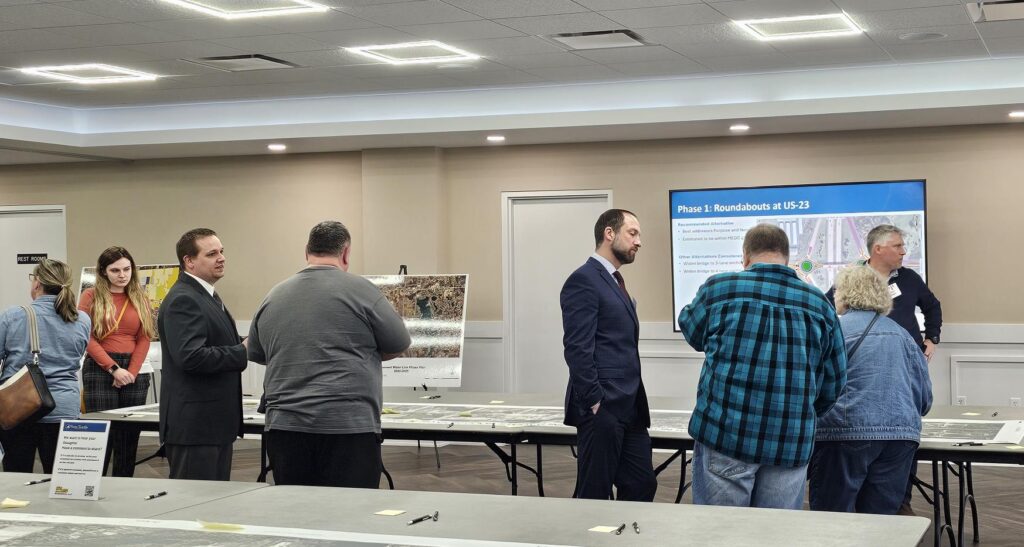
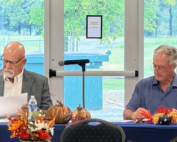
Ron Pretty, PE, PTOE, and Brian Smith, PE, at public meeting.
Our traffic professionals develop graphics, maps, data visualizations, GIS Story Maps, and other communication tools that translate technical information into something the public can more easily understand. These materials can illustrate current conditions, communicate identified safety concerns, compare potential alternatives, and demonstrate how proposed transportation improvements or plans may affect safety, mobility, access, and the way people use a roadway.
“I’m proud of the work our team is doing across the region and that, no matter the project, we don’t lose sight of the people behind the data. We bring together traffic engineering, safety, and design expertise to solve complex transportation challenges, but a technically sound solution is only one part of a successful project. People also need to understand why an improvement is being considered and what it could mean for their community. By making that information easier to understand, we help agencies have more informed conversations, address concerns, and build consensus around improvements that make transportation safer and more effective.” – Leigh Burgess, PE, PTOE
Making technical information more accessible helps create more informed conversations between agencies, stakeholders, and the communities they serve. It also gives the public a better opportunity to understand the potential value and impacts of transportation improvements and provide meaningful input as alternatives are considered.
Experience That Extends Beyond One Engineer
While Ron’s latest training is worth celebrating, Road Safety Audits are not a new capability at Clark Dietz.
Our Traffic and Safety Team brings together professionals with expertise across a range of transportation services, including:
- Traffic operations analysis
- Traffic signal design & optimization
- Crash and safety analysis
- Traffic impact studies
- Capacity and geometric analysis
- Traffic data collection
- Maintenance of Traffic and Construction Staging
- Work zone mobility and safety
- Multimodal transportation and safety
- Safe Streets and Roads for All (SS4A) planning
- Signing and pavement markings
Our traffic professionals also collaborate with roadway and structural engineers, bringing multiple perspectives together when evaluating transportation improvements.
Advancing Our Road Safety Capabilities
Our previous RSA work demonstrates how those disciplines come together. In addition to corridor and intersection safety audits, our teams have evaluated roadway configurations and potential improvements considering traffic operations, roadway geometry, traffic control, and the needs of pedestrians, bicyclists, and other roadway users.
Ron’s completion of the ITE Road Safety Audit Fundamentals Training Course builds on that history while continuing to strengthen the knowledge and capabilities of the team.
“Ron’s training brings added depth to our team and expands the knowledge he can apply to Road Safety Audits. I’m proud of his commitment to growing as a safety professional and strengthening the services we provide to clients and communities across the region.”
– Leigh Burgess, PE/PTOE
Road Safety Audits are ultimately about seeing a roadway through more than one lens. By combining data, field observations, engineering analysis, multidisciplinary perspectives, and clear communication, Clark Dietz’s Traffic and Safety Team helps agencies understand existing conditions, identify practical opportunities for improvement, and communicate the value and impacts of transportation decisions to the people they serve.
Congratulations to Ron on continuing to advance his knowledge in Traffic Operations and Safety and strengthen the capabilities we bring to our clients and communities across the region.
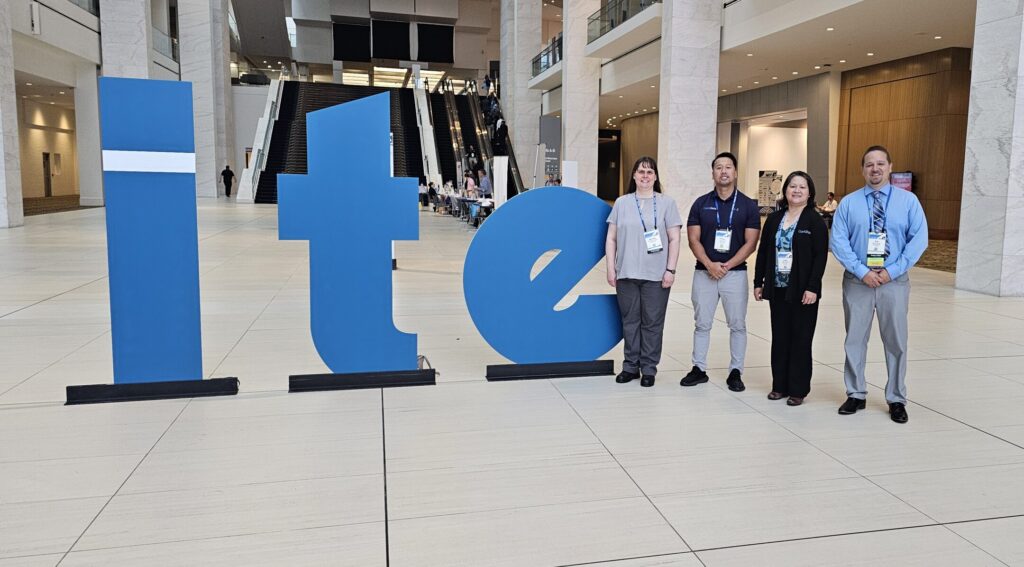
Ron Pretty, PE, PTOE, and members of the traffic team participating at the 2026 ITE International Conference.
To learn more about Ron earning his PTOE certification, click here.
To learn more about Ron’s promotion to Traffic Team Leader for Michigan East, click here.
For more questions, contact Ron Pretty, PE, PTOE, and/or Leigh Burgess, PE, PTOE.