How field inspections, GIS integration, and asset inventories help communities make smarter infrastructure decisions:
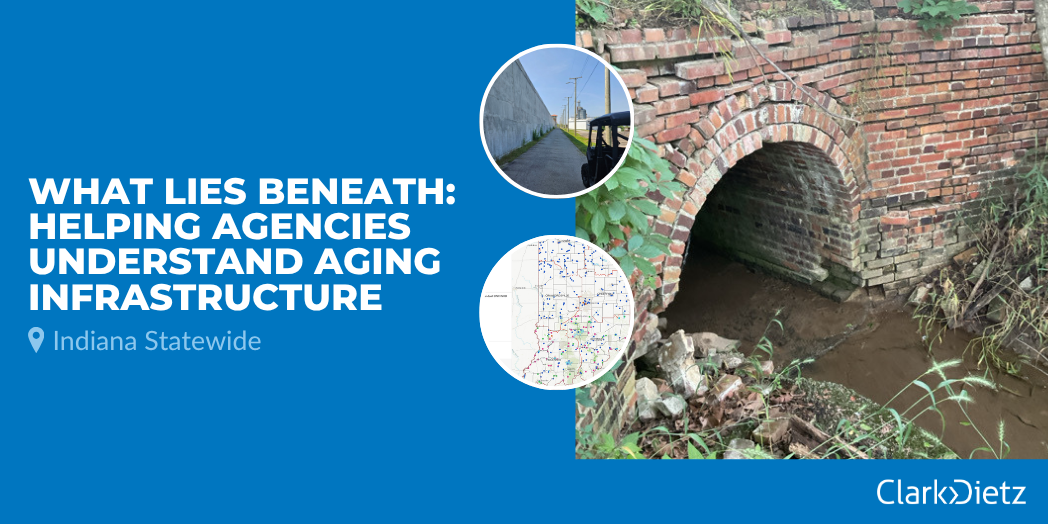
Most communities know they have aging culverts and stormwater infrastructure beneath their roads. The challenge is often not whether problems exist; it is knowing where those structures are, what condition they are in, and which ones need attention before failures occur.
Across the region, counties, municipalities, and transportation agencies are facing increasing pressure to better understand and manage underground infrastructure systems that may be decades old, undocumented, or difficult to access.
Through culvert and small structure inspection programs supported by GIS-integrated data collection, field inspections, and long-term asset planning, Clark Dietz is helping agencies move from reactive repairs to more proactive infrastructure management.
A Statewide Effort with INDOT
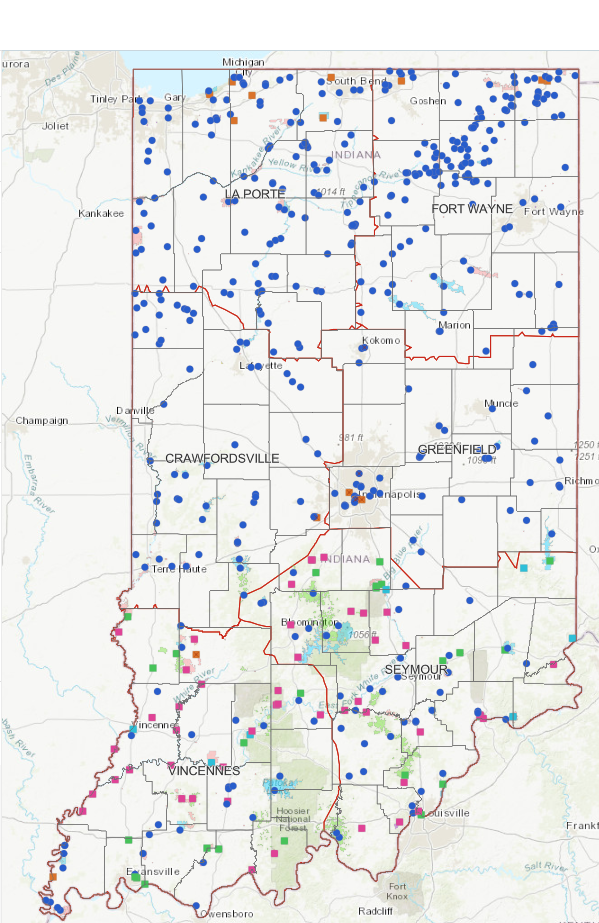
INDOT Small Structure map
One example of this work is Clark Dietz’s ongoing partnership with the Indiana Department of Transportation (INDOT), supporting a stormwater infrastructure inventory and inspection initiative at state-owned properties throughout Indiana.
The program spans nearly 600 locations, including state parks, wildlife areas, fairgrounds, correctional facilities, armories, and other institutional properties. Since fieldwork began in 2023, more than 10,000 stormwater assets have been identified and inventoried statewide.
The effort focuses on locating and assessing culverts, inlets, manholes, catch basins, storm sewers, and other drainage infrastructure that, in many cases, had limited historical documentation related to their location or condition.
For Senior Engineer Rob Huckaby, PE, and lead field staff, including Mike Ricketts, the project represents the importance of proactive infrastructure management.
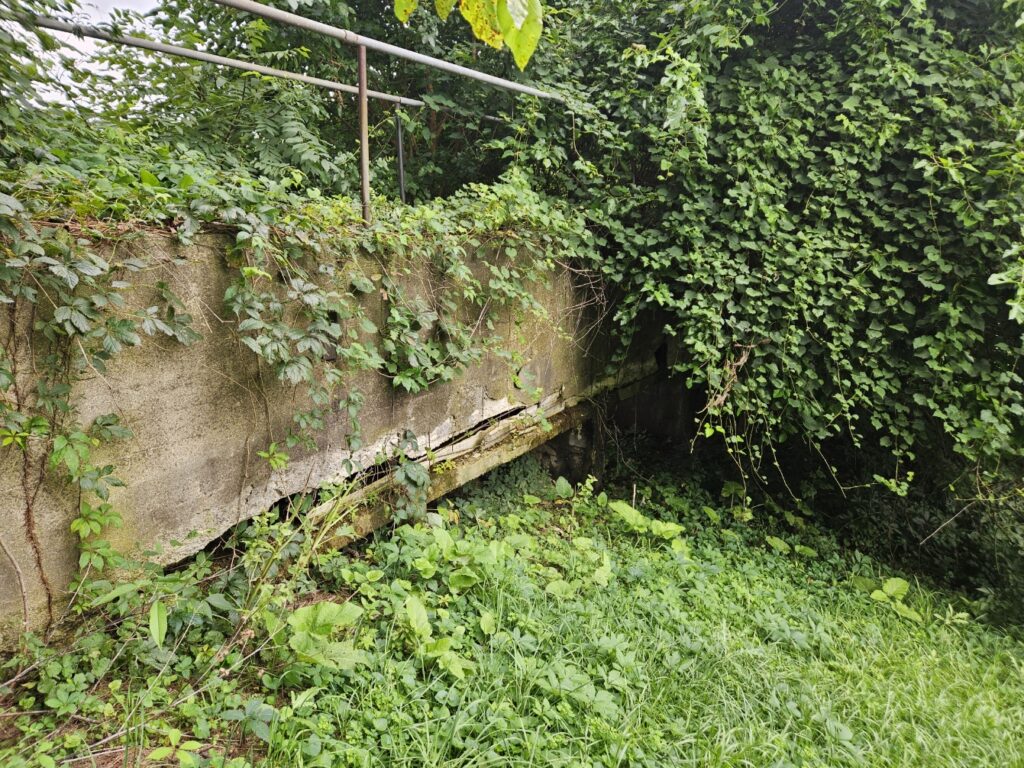
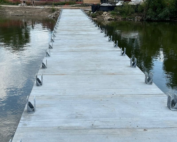
INDOT stormwater system date collection & inspection.
“When a drop of water hits the ground, we want to know exactly which creek it’s going to go to, and we want to know the infrastructure is in good shape with no blockages to get it there,” Rob shared in a recent project discussion.
The information collected helps agencies better understand how water moves through their facilities, identify maintenance concerns, reduce flooding risks, and prioritize repairs before issues escalate into larger failures.
Boots-on-the-Ground Expertise
Successful inspection programs require more than data collection. They require experienced field teams who understand how to safely access sites, identify infrastructure in varying conditions, and consistently document information that agencies can rely on for future decision-making.
Clark Dietz inspection teams work in a wide range of environments, from remote state parks and rural roadways to dense urban corridors and active public facilities. Field crews use GPS-enabled tablets and GIS-based mobile applications to locate assets, document conditions, capture photographs, and upload information directly into agency databases in real time.
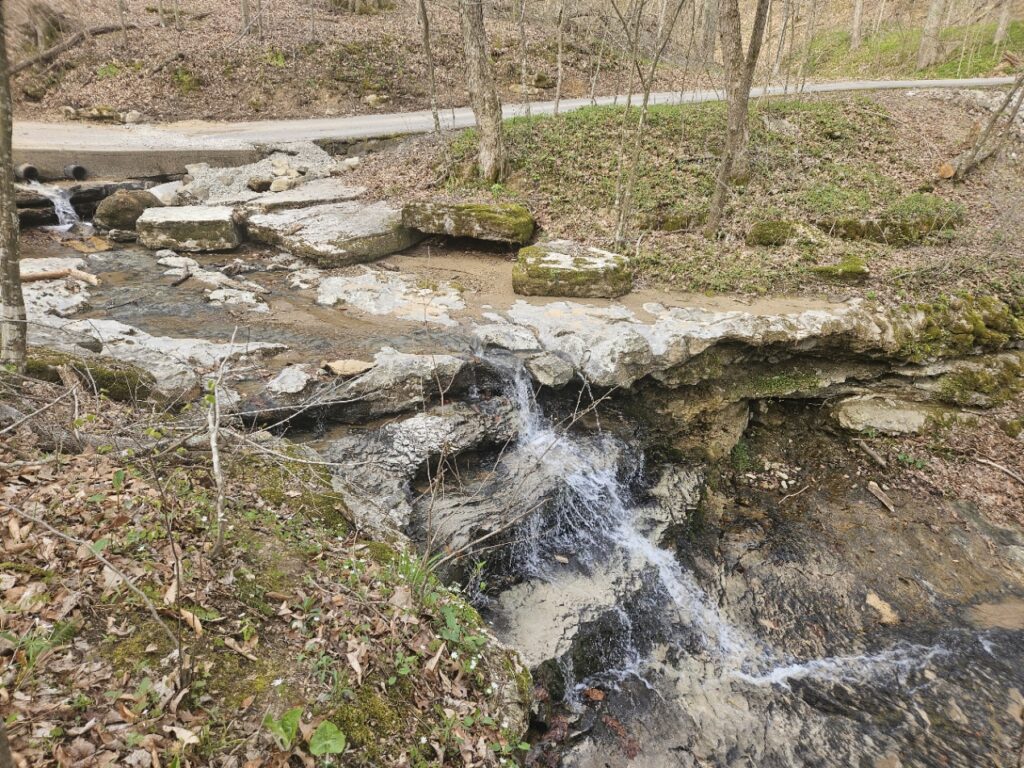
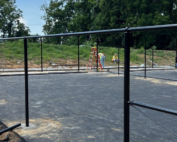
INDOT stormwater system date collection & inspection.
Mike Ricketts plays a key role in supporting statewide inspection efforts, helping coordinate field operations, quality control, and consistency across hundreds of sites. With decades of roadway construction and field operations experience, Mike brings a practical, field-driven perspective to the work. Smiling as he described the process, Mike compared the work to “treasure hunting without the treasures,” reflecting the challenge of locating undocumented infrastructure in the field.
Field expertise also supports local agency inspection programs. Tyler Cottrell plays an active role in field inspections, GPS data collection, and documentation efforts supporting projects such as Hendricks County’s culvert inspection program, helping ensure assets are accurately assessed and integrated into GIS-based reporting systems.
This combination of field expertise and structured workflows helps ensure inspections are accurate, repeatable, and actionable.
Supporting Counties and Local Agencies
While statewide programs provide valuable experience, many counties and local agencies face similar challenges with aging culverts and limited infrastructure documentation.
Clark Dietz is currently supporting Hendricks County, Indiana with a culvert inspection program involving approximately 823 culverts ranging from 3 feet to nearly 20 feet in span. The effort includes condition assessments, photographic documentation, updated load ratings, and reporting designed for direct integration into the County’s GIS system.
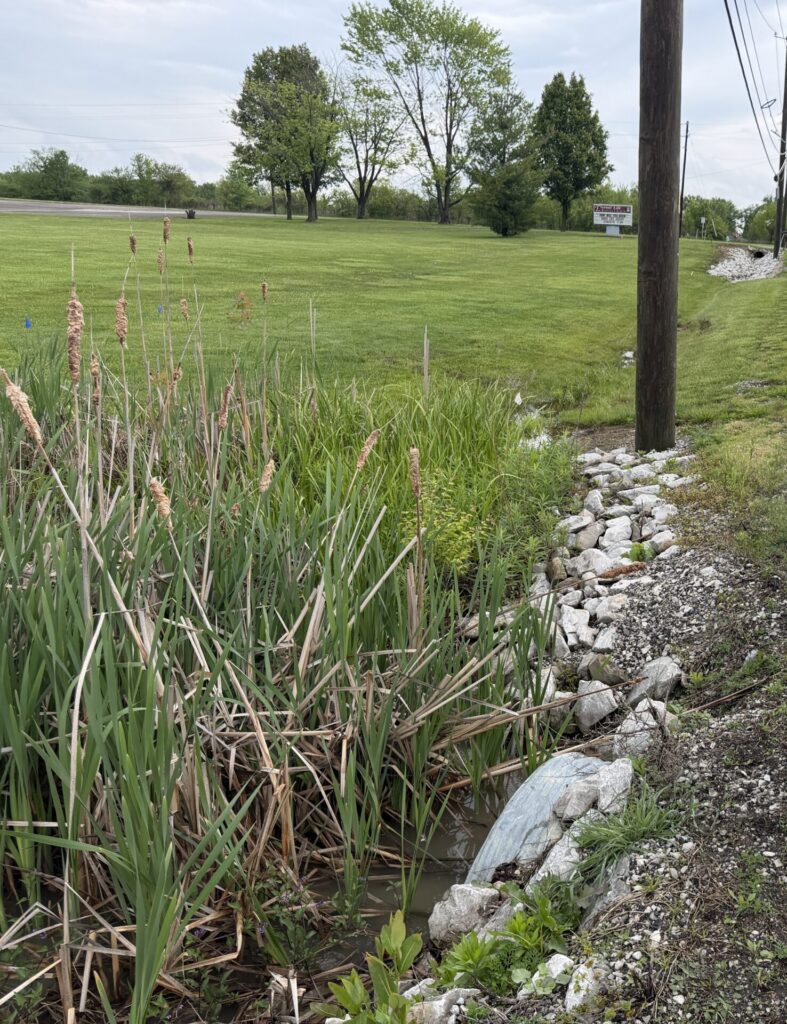
Hendricks Co. Small Structure Inspection.
The project is being led by Tim Jennings, whose decades of transportation, construction, and inspection experience help guide the program’s field operations, quality control, and coordination efforts. Inspection staff, including Tyler Cottrell, support field documentation, GPS data collection, and asset verification throughout the County.
Like the statewide INDOT initiative, the Hendricks County effort focuses not only on documenting infrastructure conditions, but also on helping the County better prioritize future maintenance, repairs, and long-term infrastructure investments.
Clark Dietz has provided similar culvert and small structure inspection services for agencies throughout the region, including Allen County, Boone County, LaGrange County, and Vigo County. In many cases, the work extends beyond inspections to include repair prioritization, replacement planning, GIS-integrated reporting, and long-term asset management support.
GIS Integration That Supports Better Decisions
Inspection data becomes significantly more valuable when agencies can easily access, visualize, and use it to support infrastructure planning.
Clark Dietz integrates GIS throughout the inspection process, helping clients move beyond spreadsheets and static reports toward more dynamic infrastructure management systems.
Using tools such as ArcGIS Field Maps and Survey123, field teams collect georeferenced asset information including structure type, dimensions, material, invert elevations, photographs, and condition ratings. The information can then be integrated directly into a client’s GIS environment, supporting maintenance tracking, repair prioritization, capital improvement planning, and long-term asset management efforts.
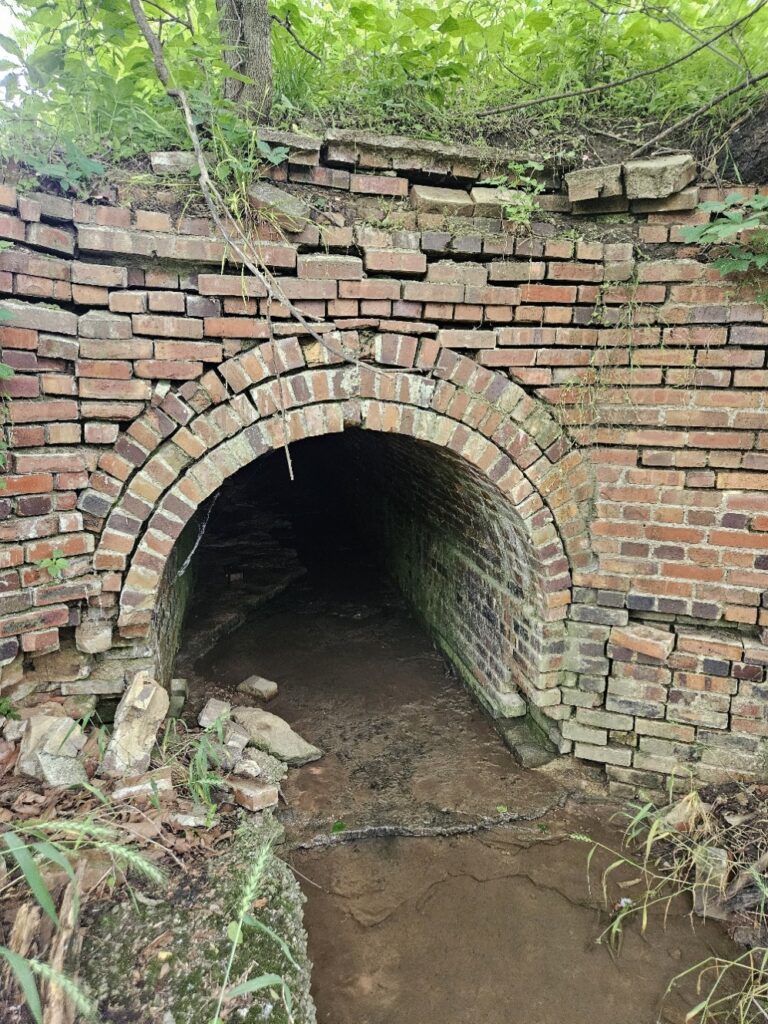
INDOT stormwater system date collection & inspection.
This GIS-integrated approach also helps agencies visualize trends over time, compare infrastructure conditions across locations, and maintain more accessible infrastructure records for future staff and decision-makers.
“Our team develops GIS solutions regularly for field inspection workflows and client needs,” said Devin Carlson, GISP, Lead GIS Specialist at Clark Dietz. “The goal is to make inspection data easier to manage, query, and use for future infrastructure decisions.”
By combining field inspections with GIS-based asset inventories, agencies gain a clearer understanding of where infrastructure exists, how it is performing, and where investments may be needed most.
Planning Before Problems Escalate
As infrastructure systems continue to age, agencies are increasingly being asked to do more with limited funding and incomplete information.
Proactive inspection and asset management programs help communities better understand what infrastructure exists, where attention may be needed, and how to prioritize future investments before failures occur.
For culverts and small structures, that may mean identifying deterioration before a roadway washout occurs, understanding drainage issues before flooding impacts the public, or documenting aging infrastructure before emergency repairs become necessary.
While much of this work happens behind the scenes, the impact is significant. Better infrastructure data supports safer roads, more informed planning, improved maintenance strategies, and stronger long-term resilience for communities and transportation networks alike.
By combining boots-on-the-ground inspection expertise, GIS integration, structured quality control, and long-term planning support, Clark Dietz is helping agencies turn unknown infrastructure into actionable information.
Want to learn more about the statewide INDOT project and the people behind the work? Read our related Engineer’s Week feature: Finding What’s Hidden Before It Fails
Have questions about these services? Contact Client Relations Director, Drew Storey, CSSBB (drew.storey@clarkdietz.com).