 It’s not the flashiest project. There’s no ribbon cutting. No dramatic before-and-after reveal.
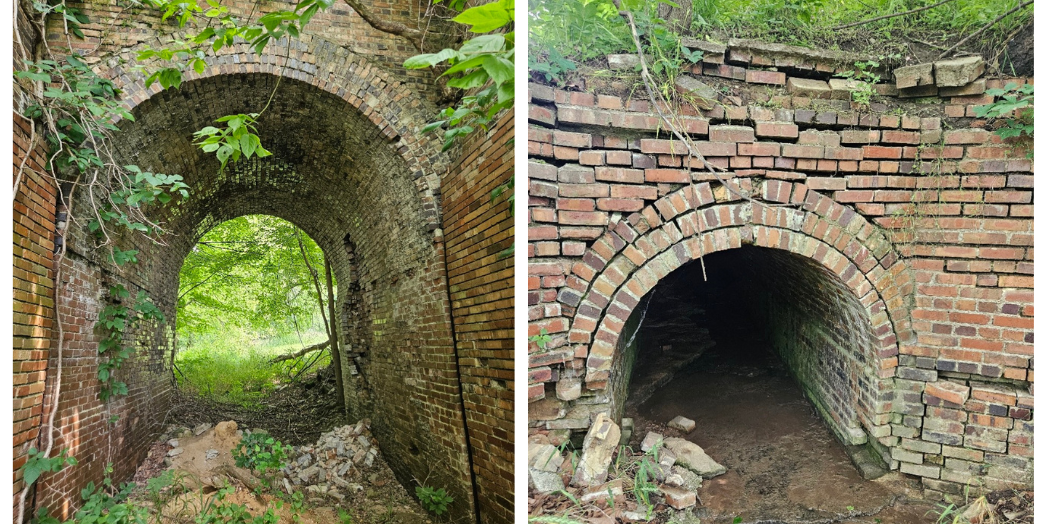
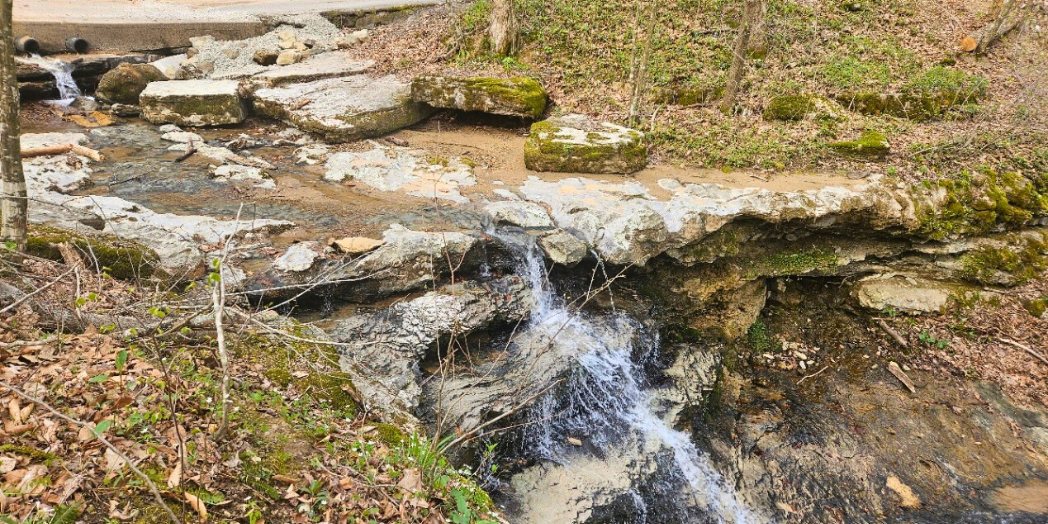
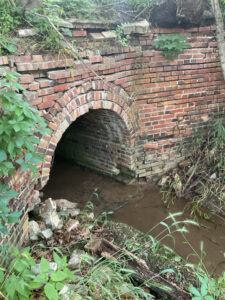
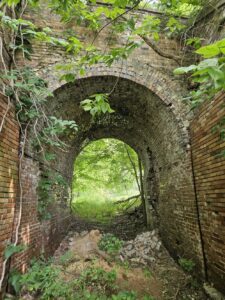
But across Indiana, there are storm pipes and culverts that haven’t been looked at in decades. Some have been in place for over 50 years, with limited documentation about their location or condition.
Finding them before they fail is what makes this statewide stormwater effort a current favorite for Rob Huckaby, PE.
A Statewide Effort Beneath the Surface
Rob leads Clark Dietz’s work supporting the Indiana Department of Transportation (INDOT) in locating, inventorying, and inspecting stormwater infrastructure at state-owned properties throughout Indiana. The program spans nearly 600 sites, from state parks and wildlife areas to fairgrounds, armories, and even correctional facilities.
When Rob stepped into the project, it was already underway. He inherited the effort at the same time INDOT transitioned to a new project manager. Together, they reimagined how to execute this ambitious project.
Since fieldwork began in 2023, more than 10,000 stormwater assets have been located and inventoried, three-fourths of which were added in 2025 alone.
Through collaboration, they implemented more robust training content, refined asset collection procedures, developed streamlined reference materials for field crews, and applied a strict quality control process to ensure consistent, high-quality deliverables.
“It wasn’t just about following a formula,” Rob explained. “We’ve discussed lessons learned, adjusted processes, and gotten smarter together as the work progressed.”
Boots on the Ground Across Indiana
This is not a desk-only assignment.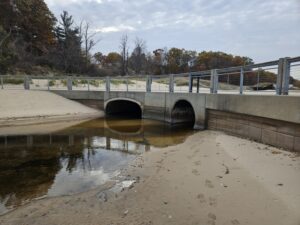
Field teams travel statewide with tablets and GPS receivers, often starting with little to no mapping information. Their mission is straightforward: locate drainage infrastructure, document it, assess its condition, and upload that information into INDOT’s enterprise GIS platform in real time.
Rob described the goal simply:
“When a drop of water hits the ground, we want to know exactly which creek it’s going to go to, and we want to know the infrastructure is in good shape with no blockages to get it there.”
That clarity helps agencies respond to spills, plan maintenance, prevent flooding, and prioritize repairs. It also helps identify issues before they escalate into larger problems.
Many of the facilities being inspected are open to the public, including state parks and recreational areas. Understanding the location and condition of drainage infrastructure helps agencies proactively manage risk and protect both visitors and the environment.
“It’s not the most exciting project on paper,” Rob said. “But knowing we’re identifying issues before they become major safety or maintenance problems is incredibly rewarding.”
Why This Project Stands Out
 Rob entered civil engineering because he was drawn to its dynamic nature.
“There’s no single formula you follow for everything,” he said. “Every site is different. You must observe real-world information and use your past experience and critical thinking to whatever challenge is in front of you.”
He also knew early on that he did not want to spend his entire career indoors.
“What better way to make a positive impact on the world than to be outside in it?”
This project brings all of that together. It requires problem-solving, field coordination, data management, and collaboration across multiple agencies. It reflects a proactive mindset that prioritizes long-term value and public safety.
Rather than reacting to failures, the team is helping INDOT and other agencies understand what exists, what condition it is in, and where attention may be needed.
Collaboration That Makes It Work
A program of this scale depends on teamwork.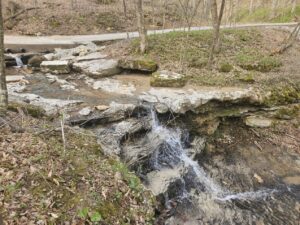
Rob credits the field staff, particularly Mike Ricketts, for playing a key role in maintaining quality and consistency. Mike serves as lead inspector and supports communication, coordination, and quality control across sites.
Internally and externally, the project has been highly collaborative. Rob values that INDOT has been open to refining processes, revisiting classifications, and adapting based on lessons learned in the field.
“We’ve been able to share insights, adjust the way we approach certain items, and improve together,” he said.
That collaborative mindset mirrors what Rob appreciates about working at Clark Dietz. After partnering with CEO Wes Christmas, PE, MBA, and others on projects years before joining the firm, Rob saw firsthand how Clark Dietz balances the camaraderie of a smaller organization with the technical depth of a larger one.
“If someone picks up the phone and needs help, people step up,” he said. “It’s a genuine commitment to the project, and we’re all working together.”
Building the Next Generation
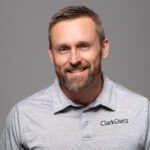 More than two decades into his career, Rob finds additional fulfillment in mentoring younger engineers and specialists.
Early in his career, he learned from a wide range of leadership styles and personalities. Today, he views mentoring as a shared experience rather than a one-way exchange.
“We all have something to give, and we all have something to learn from each other,” Rob said. “Helping build the next wave of strong engineers, designers, and project managers has become one of the most rewarding parts of my career.”
Rob holds a Bachelor of Science in Civil Engineering from the University of Evansville and is a licensed Professional Engineer in both Indiana and Kentucky.
Engineering That Speaks for Itself
Rob gravitates toward projects where the work delivers measurable value and long-term benefits.
This statewide stormwater inventory may not draw headlines, but it supports proactive planning, protects public spaces, and helps agencies make informed infrastructure decisions.
It is practical. It is collaborative. And it quietly protects communities across Indiana. For Rob Huckaby, PE, that is exactly what makes it a favorite.